
LeFaucheux Modèle 1870 11 mm Revolver — Antique Double/Single Action
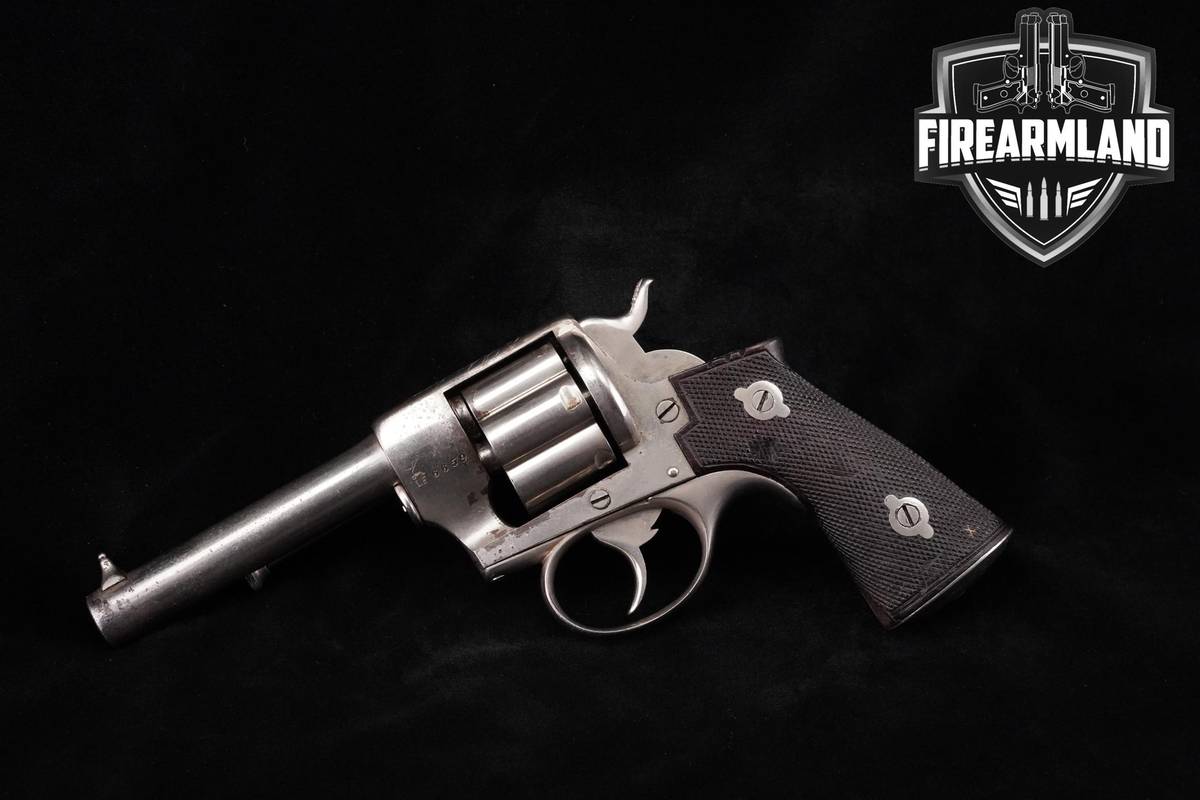
This LeFaucheux Modèle 1870 revolver is an authentic Paris-made example. Built on the open-top Lefaucheux frame, bore measurement, and chambered for 11 mm centerfire, it represents a pivotal step in the transition from pin-fire to modern metallic cartridges. Forged-steel construction, a bright polished finish, and dual-mode (double/single-action) operation give this 4.75-inch-barreled sidearm both historical and mechanical appeal.
Condition
Overall Condition: Fair – Extensive signs of prior use and handling.
Specific Condition Notes: The original polished finish shows significant wear, and the action has noticeable looseness. Cylinder timing and lock-up exhibit some wiggle, though the mechanism still cycles.
Bore Overall Condition: Fair – Generally clean with slight corrosion.
Bore Fouling: Moderate Fouling – Lead or copper buildup is present.
Bore Rifling: Good Rifling – Lands and grooves remain well-defined.
What’s Included
- LeFaucheux Modèle 1870 revolver
Produced in Paris and marked “E. Lefaucheux Bté à Paris,” this revolver bears the “LF” serial prefix that collectors associate with genuine factory manufacture. Its 11 mm centerfire chambering (bore measures 11.6 mm) aligns with research indicating nearly the entire production run was centerfire, making it more advanced than earlier pin-fire naval sidearms.
The design retains classic Lefaucheux features: an open-top frame, right-side loading gate, and a rod ejector running beneath the barrel. These elements, combined with the bright polished steel finish and checkered dark hardwood grips, give the piece its recognizable 1870s naval profile.
A forged-steel frame, cylinder, and barrel deliver the robust build quality expected from late-19th-century French service revolvers. The spur hammer, fixed front blade, and hammer-notch rear sight complete a layout familiar to period sailors and officers.
As an antique arm produced well before 1898, this revolver may be exempt from many modern regulations, yet its age and noted mechanical looseness mean a qualified gunsmith should inspect it before any attempt to fire.