
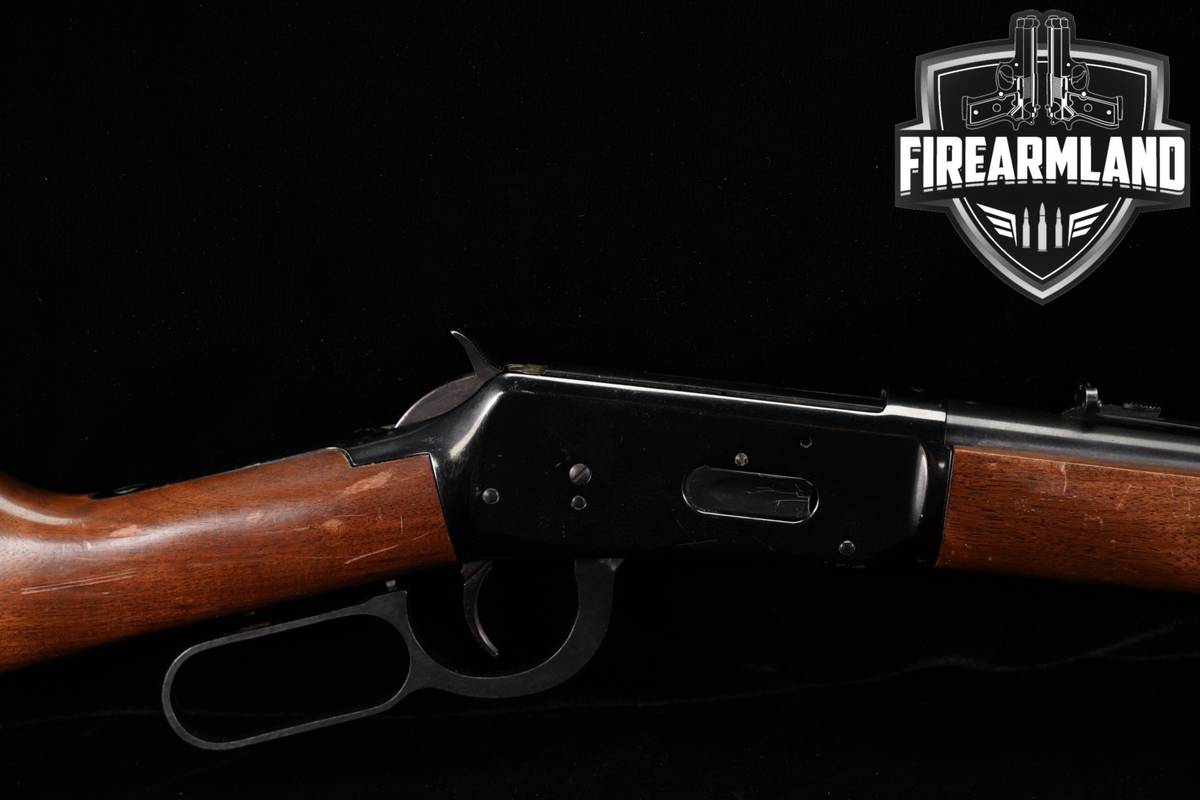
Winchester Model 94 Carbine .30-30 Lever-Action, 20-Inch, 1972 Top-Eject, Blued Steel
Built in 1972, this Winchester Model 94 Carbine is a classic top-eject .30-30 with a 20-inch round barrel, blued steel receiver, and straight-grip hardwood stock. It retains period-correct features including no cross-bolt or tang safety, Winchester oval WP proofs, and an undrilled, untapped receiver top. The full-length tubular magazine offers a typical 7+1 capacity in a compact, handy carbine format.
Condition
Overall Condition: Good condition, showing some signs of prior use and handling.
Bore Condition: Good - Clean, well-maintained, minor wear marks.
Bore Rifling: Good Rifling - Intact, well-defined lands and grooves.
Specific Condition Notes: Minor superficial scratches and small handling blemishes are present on exterior surfaces. The bore is bright and clean.
What's Included
- 1x 6rd mag
This carbine retains hallmark Model 94 features from the early 1970s: a top-eject receiver with no cross-bolt or tang safety and a receiver top that is not drilled or tapped for scope bases. These attributes align with post-1964 production while preserving the classic handling and sight picture associated with traditional 94s.
The 20-inch round barrel is paired with a full-length tubular magazine, giving a typical capacity of 7 in the tube plus 1 in the chamber. Two barrel bands secure the carbine-length forend, maintaining the familiar balance and profile favored for field use.
Sights are period-correct and practical: a ramped front sight with a dovetailed blade and an adjustable semi-buckhorn rear sight with a stepped elevator. This setup provides a clear, adjustable sight picture suitable for the .30-30 chambering.
Construction is straightforward and durable, with a blued steel receiver and hardwood straight-grip stock. The carbine furniture is uncheckered and fitted with a checkered buttplate molded with the Winchester Repeating Arms logo. The lever loop is standard size, and the rifle carries Winchester oval WP proof marks consistent with factory proofing practices of the era.